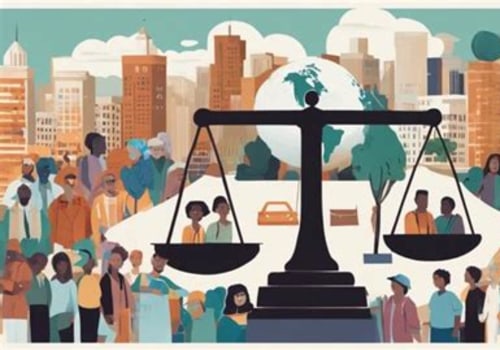
Public interest law is a vital area of legal practice that focuses on serving the public good, particularly for marginalized and underrepresented communities. Unlike traditional legal practices that often prioritize profit and individual client interests, public interest law aims to address systemic issues and promote social justice. This field encompasses a wide range of legal activities, including advocacy, litigation, and policy reform, all designed to protect the rights of individuals and groups who may lack the resources to fight for themselves. The importance of public interest law cannot be overstated. It plays a crucial role in challenging injustices and ensuring that the legal system is accessible to everyone, regardless of their socio-economic status.
By providing legal representation and support to those in need, public interest lawyers work tirelessly to uphold civil rights, environmental protections, and consumer rights. This commitment not only helps individuals but also fosters a more equitable society by holding powerful entities accountable. In essence, understanding public interest law is key to recognizing its profound impact on social justice and equality. It serves as a powerful tool for change, enabling advocates to confront discrimination, fight for policy reforms, and elevate the voices of those who are often silenced. As we delve deeper into this topic, we will explore how public interest law has shaped the landscape of social justice movements and contributed to the ongoing struggle for equality in our society.
Historical Context of Public Interest Law
The history of public interest law can be traced back to the early 20th century, a period marked by significant social upheaval and reform.The roots of this legal movement emerged from the broader context of the Progressive Era, which sought to address issues such as labor rights, civil rights, and economic inequality. Early advocates recognized that the law could serve as a tool for social change, leading to the establishment of organizations dedicated to representing marginalized communities.One of the key milestones in the evolution of public interest law occurred in the 1960s with the rise of the civil rights movement. Legal pioneers like Thurgood Marshall, who later became the first African American Supreme Court Justice, played a crucial role in challenging segregation and advocating for racial equality through landmark cases such as Brown v. Board of Education.
This period also saw the formation of legal aid organizations aimed at providing free legal services to those who could not afford them, further solidifying the commitment to social justice.In the 1970s and 1980s, public interest law expanded its focus to include environmental issues, consumer rights, and women's rights. The establishment of groups like the Natural Resources Defense Council (NRDC) and the American Civil Liberties Union (ACLU) exemplified this shift. These organizations not only fought legal battles but also engaged in policy advocacy, demonstrating that public interest law could influence legislation and public policy.The late 20th century brought about further evolution with the advent of technology and globalization. The internet became a powerful tool for advocacy, allowing public interest lawyers to mobilize support and disseminate information rapidly.
Key figures such as Ruth Bader Ginsburg, who championed gender equality through her legal work, highlighted how public interest law could adapt to contemporary challenges.Today, public interest law continues to evolve, addressing issues such as immigration rights, LGBTQ+ rights, and climate justice. Understanding this historical context is essential for grasping how public interest law has shaped social justice and equality movements over time.
Key Areas of Impact on Social Justice
Public interest law has profoundly influenced various aspects of social justice, addressing systemic inequalities and advocating for marginalized communities. Below are key areas where public interest law has made significant contributions:- Civil Rights: Public interest law has been instrumental in advancing civil rights, particularly through landmark cases that challenge discriminatory practices. Organizations like the American Civil Liberties Union (ACLU) have fought against racial discrimination, voting rights suppression, and police misconduct, ensuring that the rights of individuals are protected under the law.
- Environmental Justice: The intersection of environmental issues and social justice is increasingly recognized, with public interest law playing a crucial role.
Legal advocates work to ensure that low-income and minority communities are not disproportionately affected by environmental hazards. Cases involving pollution, land use, and climate change highlight the need for equitable treatment in environmental policy.
- Access to Healthcare: Public interest law has also focused on ensuring equitable access to healthcare services. Legal challenges have been mounted against policies that restrict access based on income or geographic location. Organizations like Legal Services Corporation provide legal assistance to those facing barriers in obtaining necessary medical care.
By advocating for the rights of the underrepresented, public interest lawyers contribute to a more just and equitable society.
Public Interest Law and Equality: A Closer Look
Public interest law has played a pivotal role in advancing equality across various demographics, addressing systemic injustices and advocating for marginalized communities. Through strategic litigation, advocacy, and policy reform, public interest lawyers have championed causes that promote equal rights and opportunities for all individuals.One of the most significant impacts of public interest law on equality can be seen in landmark legal cases that have reshaped societal norms and legal frameworks. For instance, the case of Brown v. Board of Education (1954) was a watershed moment in the fight against racial segregation in public schools.This ruling not only declared that state-sponsored segregation was unconstitutional but also set a precedent for future equality initiatives.In addition to landmark cases, various organizations dedicated to public interest law have launched initiatives aimed at promoting equality. These initiatives often focus on issues such as:
- Gender Equality: Legal advocacy groups have worked tirelessly to combat gender discrimination in the workplace and ensure equal pay for equal work.
- LGBTQ+ Rights: Public interest law has been instrumental in advancing the rights of LGBTQ+ individuals, culminating in significant victories such as the legalization of same-sex marriage.
- Disability Rights: The Americans with Disabilities Act (ADA) is a prime example of how public interest law has fought for the rights of individuals with disabilities, ensuring access to public spaces and services.
Challenges Faced by Public Interest Law Practitioners
Practitioners of public interest law often encounter a myriad of challenges that can hinder their ability to effectively advocate for social justice and equality.One of the most significant obstacles is the issue of funding. Many public interest law organizations operate on tight budgets, relying heavily on grants, donations, and pro bono work. This financial instability can limit their capacity to take on cases, hire necessary staff, or invest in essential resources. As a result, many practitioners find themselves stretched thin, juggling multiple cases with insufficient support.Another challenge is the political opposition that public interest lawyers frequently face.
Legal battles often intersect with contentious political issues, leading to pushback from various stakeholders who may not support the causes being championed. This opposition can manifest in numerous ways, from legislative changes that undermine public interest initiatives to direct threats against lawyers and their organizations. Such an environment can create a chilling effect, discouraging potential advocates from entering the field.The complexities of legal battles also pose significant challenges. Public interest law often involves navigating intricate legal frameworks and precedents that can be daunting even for seasoned attorneys.
Cases may require extensive research and preparation, as well as collaboration with other organizations and experts. This complexity can lead to prolonged litigation processes, which not only drain resources but also delay justice for those who rely on these legal services.In summary, while public interest law plays a crucial role in advancing social justice and equality, practitioners must contend with funding limitations, political opposition, and the complexities inherent in legal battles. Addressing these challenges is essential for ensuring that public interest lawyers can continue their vital work in advocating for marginalized communities.
The Role of Nonprofits and Advocacy Groups
Nonprofit organizations and advocacy groups play a crucial role in the realm of public interest law, acting as catalysts for social change and equality. These entities often serve as the backbone of legal efforts aimed at addressing systemic injustices and advocating for marginalized communities.One of the primary functions of nonprofits in public interest law is to provide legal resources and support to individuals who may not have access to traditional legal representation.Organizations such as the ACLU and Legal Aid Society have been instrumental in fighting for civil rights, ensuring that everyone, regardless of their socioeconomic status, has a voice in the legal system.
Successful Collaborations
- The Southern Poverty Law Center (SPLC): This organization has worked alongside pro bono lawyers to combat hate groups and promote tolerance through litigation and education.
- Earthjustice: By partnering with environmental lawyers, Earthjustice has successfully challenged harmful policies that threaten public health and the environment, demonstrating how collaboration can lead to significant legal victories.
- Human Rights Campaign (HRC): The HRC collaborates with legal experts to advocate for LGBTQ+ rights, influencing legislation and court decisions that promote equality.
Future Trends in Public Interest Law and Social Justice
The landscape of public interest law is evolving rapidly, influenced by technological advancements and changing societal attitudes.As we look to the future, several key trends are emerging that could significantly impact social justice and equality.
Technological Advancements
One of the most notable trends is the integration of technology into legal practices. Tools such as artificial intelligence and machine learning are being utilized to enhance legal research, streamline case management, and improve access to legal resources. This democratization of legal information can empower marginalized communities by providing them with the tools they need to advocate for their rights.Shifts in Societal Attitudes
Another important trend is the growing public awareness and activism surrounding social justice issues. Movements advocating for racial equality, environmental justice, and LGBTQ+ rights have gained momentum, leading to increased demand for public interest law services.As society becomes more engaged in these issues, there is a corresponding rise in funding and support for organizations dedicated to public interest work.
Predictions for Future Impact
Looking ahead, we can anticipate several potential outcomes:- Increased Collaboration: Public interest lawyers may increasingly collaborate with tech companies and non-profits to create innovative solutions that address systemic inequalities.
- Focus on Policy Change: There will likely be a stronger emphasis on influencing policy at local, state, and national levels to create lasting change in social justice.
- Global Perspectives: As issues of social justice become more interconnected globally, public interest law may adopt a more international focus, addressing human rights violations across borders.
FAQs about Public Interest Law and Its Impact
Public interest law plays a crucial role in promoting social justice and equality, yet many people have questions about its function and impact. Here are some frequently asked questions that can help clarify this important field.What is public interest law?
Public interest law refers to legal practices that aim to serve the public good, particularly for marginalized or disadvantaged groups. This area of law often involves non-profit organizations and legal aid services that provide representation and advocacy for individuals who cannot afford legal assistance.How does public interest law work?
Public interest law operates through various mechanisms:- Legal Representation: Attorneys in this field represent clients in cases that have broader implications for society, such as civil rights, environmental protection, and consumer rights.
- Policy Advocacy: Lawyers engage in lobbying efforts to influence legislation and public policy that affects social justice issues.
- Education and Outreach: Public interest lawyers often conduct workshops and seminars to educate communities about their rights and available resources.
What are common misconceptions about public interest law?
Several misconceptions can cloud understanding of public interest law:- It’s only for the poor: While public interest law often focuses on low-income individuals, it also addresses issues affecting broader communities, including environmental justice and civil liberties.
- It’s less rigorous than corporate law: Public interest lawyers face significant challenges and must navigate complex legal systems, often with limited resources.
- It doesn’t lead to real change: Many landmark cases in history have emerged from public interest law, leading to significant reforms in areas like education, housing, and healthcare.
By addressing these common questions and misconceptions, we can better recognize the impact of this essential legal field on society.