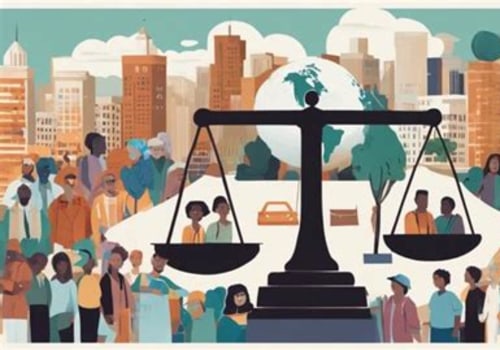
Public interest law serves as a vital component of the legal system, focusing on the protection and advancement of the public good. Unlike traditional legal practices that often prioritize profit and individual client interests, public interest law aims to address systemic issues affecting marginalized communities and the environment. This branch of law encompasses a wide range of issues, including civil rights, consumer protection, and environmental justice, making it a crucial tool for social change.The definition of public interest law can be understood as legal work undertaken to benefit society at large rather than specific individuals or corporations. Public interest lawyers often represent clients who cannot afford legal services, advocate for policy reforms, and engage in litigation that seeks to uphold the rights of disadvantaged groups.
Their work is not only about winning cases but also about raising awareness and fostering a more equitable society.In the context of environmental justice, public interest lawyers play an essential role in challenging practices that disproportionately harm low-income communities and communities of color. They bring attention to environmental issues that may otherwise be overlooked, ensuring that all individuals have access to clean air, water, and land. By leveraging their expertise in public interest law, these attorneys help to create a more just legal framework that prioritizes the health and well-being of both people and the planet.
The Concept of Environmental Justice
Environmental justice is a critical concept that seeks to ensure that all individuals, regardless of their race, ethnicity, or socioeconomic status, have equal access to a healthy environment. It emphasizes the fair distribution of environmental benefits and burdens, recognizing that marginalized communities often bear the brunt of environmental hazards.The definition of environmental justice can be traced back to the civil rights movement of the 1960s and 1970s, when activists began to highlight the disproportionate impact of pollution and environmental degradation on low-income and minority communities.This historical context is essential for understanding the ongoing struggles faced by these communities today.At its core, environmental justice advocates for the rights of those who are often overlooked in policy-making processes. It calls for inclusive decision-making that considers the voices and needs of affected populations. This is particularly important as issues such as climate change, industrial pollution, and resource extraction continue to threaten vulnerable communities.The importance of environmental justice cannot be overstated. It not only addresses immediate health concerns but also promotes long-term sustainability and equity.
By ensuring that all communities have a say in environmental policies, we can work towards a more just society where everyone has the opportunity to thrive in a safe and clean environment.
- Promotes Health Equity: Environmental justice initiatives aim to reduce health disparities caused by environmental factors.
- Empowers Communities: By involving local populations in decision-making, environmental justice fosters community resilience.
- Encourages Sustainable Practices: Advocating for environmentally friendly policies benefits both people and the planet.
The Role of Public Interest Lawyers in Environmental Justice
Public interest lawyers play a crucial role in advocating for environmental justice, particularly for marginalized communities disproportionately affected by environmental hazards. These legal professionals utilize various strategies to ensure that the voices of these communities are heard and their rights protected.Legal Advocacy
is one of the primary methods employed by public interest lawyers. They often represent communities in lawsuits against corporations or government entities that violate environmental laws or regulations.By holding these entities accountable, public interest lawyers help to mitigate the negative impacts of pollution and environmental degradation on vulnerable populations.Additionally, public interest lawyers engage in policy advocacy. They work to influence legislation and regulatory frameworks that govern environmental protection. This includes drafting policy proposals, lobbying lawmakers, and participating in public hearings to advocate for stronger environmental protections that prioritize the needs of disadvantaged communities.Another significant aspect of their work involves community education and empowerment. Public interest lawyers often conduct workshops and seminars to inform community members about their rights and available legal resources.
By empowering individuals with knowledge, they enable communities to take action against environmental injustices.Furthermore, public interest lawyers collaborate with non-profit organizations, grassroots movements, and other stakeholders to amplify their impact. These partnerships can enhance resource sharing, increase public awareness, and mobilize community action, creating a more robust front against environmental injustices.In summary, the role of public interest lawyers in promoting environmental justice is multifaceted. Through legal advocacy, policy influence, community education, and collaboration with various stakeholders, they strive to create a more equitable environment for all, ensuring that everyone has access to a healthy and safe living space.
Case Studies: Successful Public Interest Law Initiatives
Public interest lawyers have played a pivotal role in advancing environmental justice through various successful initiatives. These case studies illustrate how legal advocacy can lead to significant changes in policy and community health.1.The Fight Against Toxic Waste in Warren County, North Carolina
In the early 1980s, Warren County became the site of a controversial landfill for toxic waste.Public interest lawyers mobilized local communities to challenge the decision, arguing that the landfill disproportionately affected African American residents. This case not only brought national attention to environmental racism but also led to the establishment of the U.S. Environmental Protection Agency's (EPA) Office of Environmental Justice.
2.The Clean Water Act Enforcement in Flint, Michigan
The water crisis in Flint highlighted severe lapses in environmental protections. Public interest lawyers from organizations like the Natural Resources Defense Council (NRDC) took legal action against state officials for failing to provide safe drinking water.Their efforts resulted in a federal investigation and increased funding for infrastructure improvements, showcasing how public interest law can hold government accountable.
3.Community Rights and Fracking in Pennsylvania
In Pennsylvania, public interest lawyers have successfully defended local ordinances that ban fracking, arguing that communities have the right to protect their environment and health. These legal battles have set precedents for local governance over natural resource extraction, empowering communities to assert their rights against large corporations.4.Air Quality Advocacy in Los Angeles
The Los Angeles Alliance for a New Economy (LAANE) has worked with public interest lawyers to address air quality issues affecting low-income neighborhoods. Through litigation and advocacy, they have pushed for stricter regulations on emissions from nearby industrial facilities, leading to improved air quality and public health outcomes.These case studies exemplify how public interest law serves as a powerful tool for promoting environmental justice. By addressing systemic inequalities and advocating for vulnerable communities, public interest lawyers not only protect the environment but also empower citizens to fight for their rights.Challenges Faced by Public Interest Lawyers in Environmental Justice Cases
Public interest lawyers play a crucial role in advocating for environmental justice, yet they face numerous challenges that can hinder their effectiveness.Understanding these obstacles is essential for grasping the complexities of their work.
- Limited Resources: Many public interest law organizations operate on tight budgets, which restricts their ability to conduct extensive research, hire expert witnesses, or engage in comprehensive community outreach. This lack of funding can significantly impact the quality and reach of their legal efforts.
- Legal Barriers: Environmental justice cases often involve navigating a complex web of local, state, and federal regulations. Public interest lawyers must contend with legal frameworks that may not adequately protect marginalized communities or the environment, making it difficult to achieve favorable outcomes.
- Political Resistance: Advocacy for environmental justice can provoke pushback from powerful interests, including corporations and government entities. Public interest lawyers may face political pressure that complicates their ability to pursue cases or advocate for policy changes.
- Community Engagement: Building trust within affected communities is vital for public interest lawyers.
However, historical injustices and skepticism towards legal systems can create barriers to effective collaboration. Lawyers must invest time in relationship-building to ensure that community voices are heard and represented.
- Complexity of Cases: Environmental justice cases often involve intricate scientific data and multifaceted social issues. Public interest lawyers must be adept at translating complex information into compelling arguments that resonate with judges, juries, and the public.
The Future of Public Interest Law and Environmental Justice
The landscape of public interest law is rapidly evolving, particularly in the realm of environmental justice.As climate change and environmental degradation become increasingly pressing issues, the role of public interest lawyers is set to expand significantly. Here are some key trends shaping the future of this vital field:
- Increased Collaboration: Public interest lawyers are increasingly collaborating with grassroots organizations, scientists, and community leaders. This multidisciplinary approach enhances advocacy efforts and ensures that legal strategies are informed by the latest scientific research and community needs.
- Focus on Policy Change: Beyond litigation, there is a growing emphasis on influencing policy at local, state, and federal levels. Public interest lawyers are working to draft legislation that addresses systemic environmental injustices, aiming for long-term solutions rather than temporary fixes.
- Utilization of Technology: The integration of technology in legal practices is transforming how public interest lawyers operate.
Tools such as data analytics and geographic information systems (GIS) are being used to identify environmental hazards and support legal claims more effectively.
- Global Perspectives: Environmental issues often transcend borders, prompting public interest lawyers to adopt a more global perspective. By learning from international cases and collaborating with foreign counterparts, they can bring innovative solutions to domestic challenges.
By embracing new strategies and fostering collaborative relationships, public interest lawyers can effectively champion the rights of marginalized communities affected by environmental harm.
FAQs about Public Interest Law and Environmental Justice
Public interest law plays a crucial role in advancing environmental justice, but many people have questions about how these two fields intersect. Here are some frequently asked questions:- What is public interest law?
Public interest law refers to legal practices that aim to serve the public good, particularly for marginalized communities. It often involves advocating for social justice, environmental protection, and civil rights. - How do public interest lawyers contribute to environmental justice?
Public interest lawyers work on cases that address environmental issues affecting low-income and minority communities. They may represent these communities in litigation against polluters, advocate for stronger environmental regulations, or help secure access to clean air and water. - What types of cases do public interest lawyers handle?
These lawyers often handle cases related to pollution, land use, climate change, and resource management.They may also engage in policy advocacy to influence legislation that impacts environmental justice.
- Can anyone become a public interest lawyer?
Yes, anyone with a law degree can pursue a career in public interest law. However, it often requires a strong commitment to social justice and a willingness to work in challenging environments. - What are some challenges faced by public interest lawyers?
Public interest lawyers often face limited funding, high caseloads, and the emotional toll of working on difficult cases. Additionally, they may encounter resistance from powerful corporate interests.
Conclusion: The Essential Role of Public Interest Lawyers in Advancing Environmental Justice
In conclusion, the role of public interest lawyers in advancing environmental justice is both vital and multifaceted.These legal professionals serve as advocates for marginalized communities disproportionately affected by environmental hazards, ensuring that their voices are heard and their rights are protected.Throughout this discussion, we have highlighted several key contributions of public interest lawyers:
- Legal Advocacy: Public interest lawyers provide essential legal representation to communities facing environmental injustices, helping them navigate complex legal systems to secure their rights.
- Policy Reform: They actively engage in shaping policies that promote sustainable practices and equitable resource distribution, pushing for legislative changes that benefit vulnerable populations.
- Community Education: By educating communities about their legal rights and environmental issues, these lawyers empower individuals to take action and advocate for themselves.
- Litigation: Public interest lawyers often take on high-profile cases that challenge corporations and government entities, holding them accountable for environmental degradation and advocating for stricter regulations.