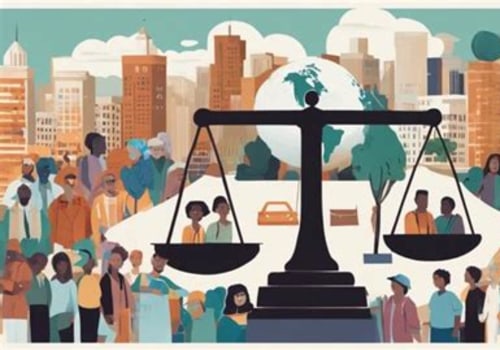
Public interest law serves as a vital mechanism for addressing societal issues that affect the general public, particularly marginalized communities. This branch of law focuses on legal practices that promote social justice, environmental protection, and the safeguarding of civil rights. By representing individuals or groups who may not have the resources to advocate for themselves, public interest law plays a crucial role in ensuring that the legal system remains accessible and equitable. The importance of public interest law cannot be overstated; it acts as a counterbalance to the interests of powerful entities, such as corporations and government agencies. Through litigation, advocacy, and policy reform, public interest lawyers strive to create a more just society.
They tackle issues ranging from discrimination and poverty to environmental degradation and healthcare access. In doing so, they not only provide legal representation but also raise awareness about critical issues that require public attention. Understanding public interest law is essential for grasping how media coverage can influence the success of these cases. Media plays a pivotal role in shaping public perception and can amplify the voices of those involved in public interest litigation. When cases receive significant media attention, they often attract broader support and can lead to increased pressure on decision-makers.
This dynamic interaction between media coverage and public interest law sets the stage for exploring how visibility can impact the outcomes of these important legal battles.
The Relationship Between Media Coverage and Public Interest Cases
Media coverage plays a pivotal role in shaping the landscape of public interest law, particularly in how cases are perceived and pursued. The influence of media can be seen through various mechanisms that affect both public perception and legal outcomes. One significant way media impacts public interest cases is by raising awareness. When a case garners media attention, it often brings issues to the forefront of public consciousness, mobilizing community support and advocacy. This heightened awareness can lead to increased public pressure on legal entities to act, thereby influencing the trajectory of the case. Moreover, media coverage can shape the narrative surrounding a case.The way stories are framed can significantly affect public opinion. For instance, if a case is portrayed as a fight for justice against systemic injustice, it may attract more support from the public and advocacy groups. Conversely, negative framing can lead to skepticism and reduced support.
- Public Engagement: Media coverage often encourages public engagement through social media campaigns, petitions, and protests, amplifying the voices of those affected by the issues at hand.
- Legal Strategy: Attorneys may adjust their strategies based on media narratives, using public sentiment to their advantage or countering negative portrayals with proactive communication.
- Judicial Influence: Judges and juries are not immune to media influence; extensive coverage can create a perception bias that affects their decisions.
The impact of media extends beyond mere reporting; it actively shapes perceptions, influences legal strategies, and can ultimately determine the success or failure of cases that seek to address critical social issues.
Case Studies: Media Coverage in Action
Media coverage plays a pivotal role in shaping the outcomes of public interest law cases. By examining specific case studies, we can see how significant media attention can influence public perception, mobilize community support, and ultimately affect legal decisions.Case Study 1: Brown v. Board of Education
One of the most notable examples is the landmark case of Brown v. Board of Education.This case challenged racial segregation in public schools and received extensive media coverage during the 1950s. The media highlighted the injustices faced by African American students, which helped to galvanize public opinion against segregation. The widespread attention contributed to the Supreme Court's unanimous decision to declare segregation unconstitutional, marking a significant victory for public interest law.
Case Study 2: Roe v. Wade
The Roe v.Wade case is another prime example where media coverage played a crucial role. As the case progressed through the courts, it attracted national attention, sparking debates about women's rights and reproductive health. The media's portrayal of the case helped to mobilize activists and inform the public about the implications of the ruling. Ultimately, the Supreme Court's decision in favor of Roe solidified a woman's right to choose, showcasing how media can amplify the voices involved in public interest law.
Case Study 3: The Flint Water Crisis
The Flint water crisis serves as a contemporary example of how media coverage can impact public interest cases.As reports emerged about lead contamination in Flint's water supply, local and national media outlets brought attention to the health risks faced by residents. This coverage not only raised awareness but also prompted legal action against government officials for negligence. The resulting lawsuits and settlements highlighted the power of media in advocating for vulnerable communities and holding authorities accountable.These case studies illustrate that effective media coverage can significantly enhance the success of public interest law cases by raising awareness, influencing public opinion, and fostering community engagement. As such, advocates for social justice must recognize the importance of strategic media outreach in their efforts to achieve meaningful legal outcomes.
The Positive Effects of Media Coverage on Public Interest Law
Media coverage plays a crucial role in the realm of public interest law, significantly enhancing the visibility and impact of various cases.One of the primary benefits of media coverage is the increased awareness it generates among the public. When a case garners media attention, it often reaches a wider audience, allowing more individuals to understand the issues at stake. This heightened awareness can lead to greater public discourse, encouraging community engagement and advocacy.Moreover, media coverage can open doors to funding opportunities. Nonprofit organizations and legal aid groups often rely on donations and grants to support their work.
When a public interest case is highlighted in the media, it can attract potential donors who resonate with the cause. This influx of financial support can be pivotal in sustaining legal efforts and expanding outreach initiatives.Another significant advantage is the mobilization of community support. Media advocacy can galvanize local communities to rally around a cause, leading to organized events, petitions, and demonstrations that amplify the message. Such grassroots movements not only bolster the case but also create a sense of solidarity among those affected by the issues at hand.Furthermore, media coverage can exert pressure on decision-makers and institutions involved in public interest cases.
When cases are reported widely, they often prompt officials to respond more swiftly and transparently, knowing that their actions are under public scrutiny. This accountability can lead to more favorable outcomes for those seeking justice.In summary, the positive effects of media coverage on public interest law are manifold. From raising awareness and securing funding to fostering community support and ensuring accountability, effective media engagement is an invaluable asset in advancing public interest cases.
The Negative Consequences of Media Coverage
While media coverage can significantly elevate the visibility of public interest law cases, it can also lead to several negative consequences that undermine the very causes it seeks to promote. One of the most pressing issues is sensationalism.Media outlets often prioritize dramatic narratives over factual reporting, which can distort public perception of the case. This sensationalism can lead to a skewed understanding of the legal issues at stake, overshadowing the nuanced arguments that are essential for a fair evaluation.Moreover, media bias can further complicate matters. When coverage is slanted towards a particular viewpoint, it risks alienating segments of the public and creating polarized opinions. This bias not only affects public sentiment but can also influence jurors and judges who may be exposed to media portrayals of the case.
The potential for misrepresentation is significant; facts may be taken out of context or exaggerated, leading to a narrative that does not accurately reflect the realities of the situation.The impact of such coverage extends beyond public opinion. In some instances, intense media scrutiny can pressure legal professionals to alter their strategies or even compromise their ethical standards in an effort to align with public sentiment. This phenomenon raises serious concerns about the integrity of the judicial process, as decisions may be swayed by external pressures rather than grounded in law and justice.In conclusion, while media involvement in public interest law cases can bring attention to critical issues, it is essential to recognize and address the potential negative consequences. Sensationalism, bias, and misrepresentation not only distort public understanding but also pose risks to the fairness and integrity of legal proceedings.
Strategies for Effective Media Engagement in Public Interest Cases
Engaging effectively with the media is crucial for advancing public interest law cases.Here are some actionable strategies that legal practitioners and advocates can employ to enhance their media engagement:
- Develop a Clear Message: Before reaching out to the media, it’s essential to craft a concise and compelling message that encapsulates the core issues of your case. This message should highlight the significance of the case in terms of public interest and its potential impact on the community.
- Identify Key Media Outlets: Research and identify media outlets that align with your case's focus. This includes local newspapers, radio stations, and online platforms that cover legal issues or public interest stories. Tailoring your outreach to these specific outlets can increase the likelihood of coverage.
- Build Relationships with Journalists: Establishing rapport with journalists who cover legal affairs or public interest topics can be beneficial.
Attend events, engage on social media, and offer insights or expert commentary to build trust and credibility.
- Utilize Press Releases: A well-crafted press release can serve as a powerful tool for announcing significant developments in your case. Ensure that it is newsworthy, includes quotes from key stakeholders, and provides context about why the case matters to the public.
- Leverage Social Media: Use social media platforms to amplify your message and engage with a broader audience. Share updates, relevant articles, and personal stories that illustrate the human impact of your case. Encourage supporters to share your content to increase visibility.
- Prepare for Interviews: If approached by the media for interviews, prepare key talking points in advance.
Anticipate questions and practice delivering clear, confident responses that reinforce your message about the importance of the case.
FAQs About Media Coverage and Public Interest Law
Understanding the relationship between media coverage and public interest law can be complex. Here are some frequently asked questions that shed light on this dynamic:How does media coverage influence public interest cases?
Media coverage can significantly impact public interest cases by raising awareness and mobilizing public opinion. When a case receives extensive media attention, it often leads to increased public support, which can pressure decision-makers to act. This heightened visibility can also attract additional resources, such as funding or pro bono legal assistance, which are crucial for the success of these cases.Are there risks associated with media coverage of public interest law?
While media coverage can be beneficial, it also poses certain risks.Sensationalized reporting may distort the facts or oversimplify complex legal issues, potentially leading to public misunderstanding. Additionally, negative media portrayals can harm the reputation of involved parties and influence jury pools, which may affect the outcome of legal proceedings.
What role does social media play in public interest law?
Social media has transformed how public interest cases are communicated and perceived. It allows for real-time updates and engagement with a broader audience. Activists and organizations can use platforms like Twitter and Facebook to rally support, share information, and mobilize grassroots campaigns.However, misinformation can spread quickly on these platforms, making it essential for advocates to provide accurate information.
Can media coverage lead to changes in legislation?
Yes, impactful media coverage can lead to legislative changes. When a public interest case highlights significant social issues, lawmakers may feel compelled to address these concerns through new laws or reforms. For instance, extensive reporting on environmental issues has led to stronger regulations and policies aimed at protecting natural resources.In summary, while media coverage plays a crucial role in shaping the landscape of public interest law, it is essential to navigate its complexities carefully to maximize benefits while minimizing potential drawbacks.Conclusion: The Future of Media Coverage in Public Interest Law
As we reflect on the impact of media coverage on public interest law, it becomes clear that the relationship between the two is both complex and dynamic. Throughout this article, we have explored how media attention can significantly influence the outcomes of public interest cases, shaping public perception and mobilizing community support.One of the most critical takeaways is that media coverage serves as a powerful tool for advocacy.It not only raises awareness about pressing social issues but also holds institutions accountable. When cases gain traction in the media, they often attract the attention of policymakers and can lead to legislative changes that benefit the public.
- Increased Visibility: Media coverage can elevate lesser-known cases, bringing them into the public eye and generating widespread discussion.
- Public Engagement: Engaging storytelling can inspire individuals to take action, whether through donations, volunteering, or participating in protests.
- Accountability: Journalistic scrutiny can pressure organizations and governments to act ethically and transparently.
With the rise of digital platforms and social media, grassroots movements can now amplify their voices more effectively than ever before. This democratization of information presents both opportunities and challenges for public interest law practitioners.In conclusion, as we move forward, it will be crucial for those involved in public interest law to harness the power of media strategically while remaining vigilant against its potential pitfalls. The future of public interest cases may very well depend on how effectively they can engage with an ever-changing media landscape.